
After the close
Review what was there, not what happened next.
Practical guides for reviewing Robinhood trades, testing ICT concepts, and separating a good decision from a profitable outcome.
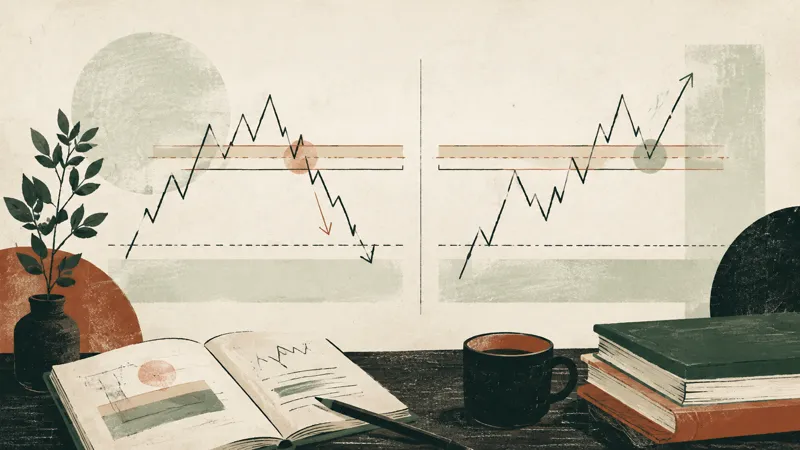
Liquidity Sweep vs Breakout: Rules You Can Actually Test
Distinguish a liquidity sweep from a breakout using confirmed levels, penetration, reclaim or acceptance, timing, and outcome-blind rules.

How Partial Fills Change a Robinhood Trade Review
Preserve Robinhood partial fills, calculate weighted average price, rebuild position episodes, and avoid hiding execution mistakes inside one marker.

Good Trade vs Profitable Trade: How to Review the Decision
Separate decision quality from trading outcome with a four-quadrant review, rule evidence, execution grades, and a repeatable post-trade exercise.

Order Block Backtesting: Rules, Invalidations, and Common Biases
Backtest order blocks with a deterministic candidate definition, confirmation clock, entry and invalidation rules, and explicit ambiguity handling.

FVG Backtesting: A Repeatable Test for Fair Value Gaps
Turn a fair value gap into a reproducible backtest with fixed formation, entry, invalidation, expiry, session, and look-ahead rules.
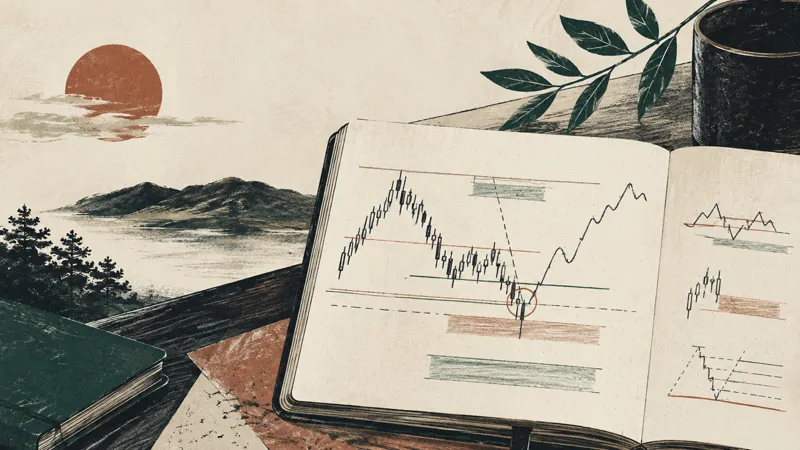
ICT Trading Journal: What to Record Beyond Entry and Exit
Build an ICT trading journal around observable structure, confirmation time, invalidation, execution, and repeatable backtest rules—not labels alone.

How to Export Robinhood Trade History
Export a Robinhood account activity report as CSV, find statements and confirmations, and prepare the data for a trustworthy trading journal.
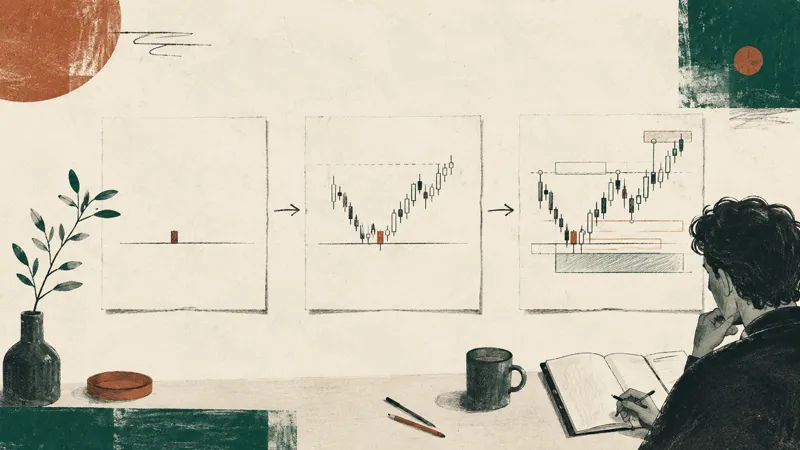
Robinhood Trade Replay: What It Can and Cannot Reconstruct
Understand the difference between market replay and Robinhood trade reconstruction, including fills, timestamps, chart context, and honest limits.
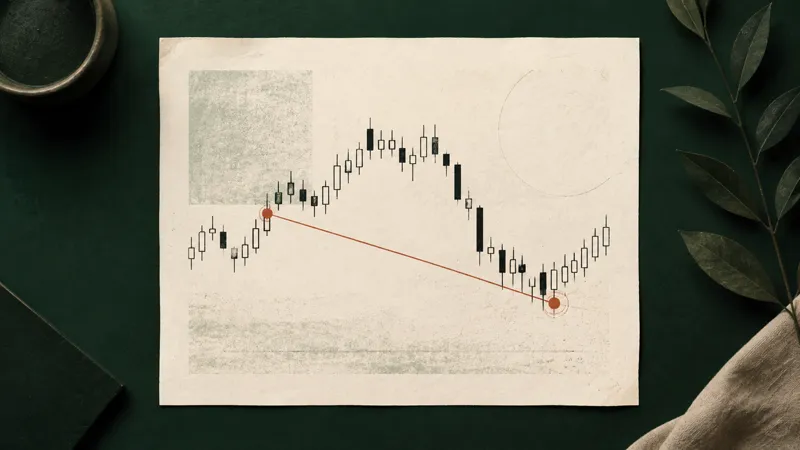
Robinhood Trading Journal: Review Every Trade on the Chart
A practical Robinhood trading journal workflow that rebuilds fills on the chart, records the rule, and reviews decisions without P&L hindsight.
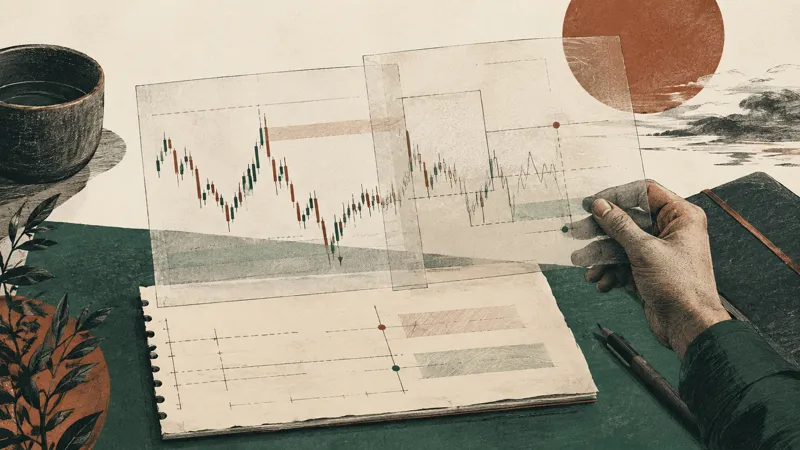
How to Review Robinhood Trades on a Chart
Rebuild Robinhood fills on a historical chart, hide future information, inspect market structure, and separate execution quality from outcome.